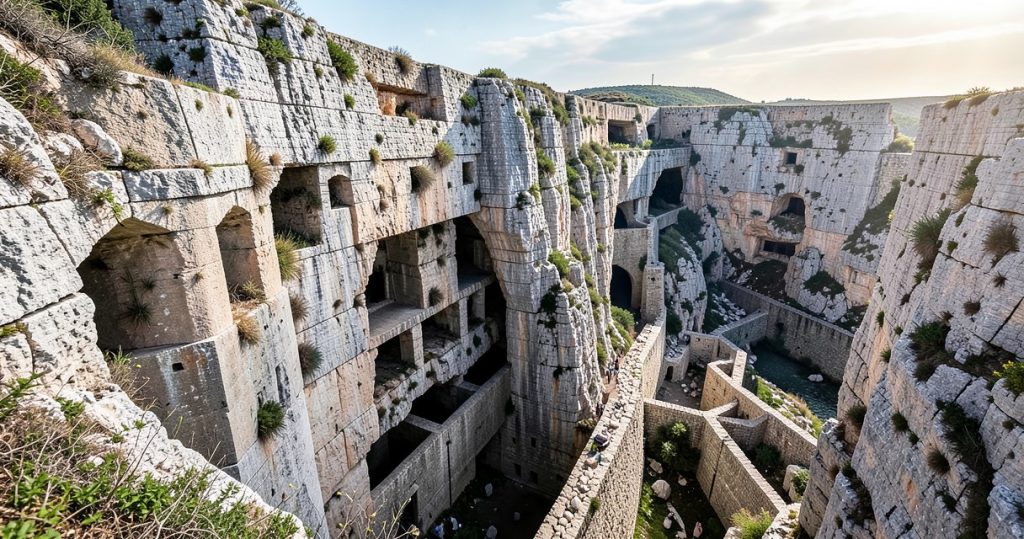
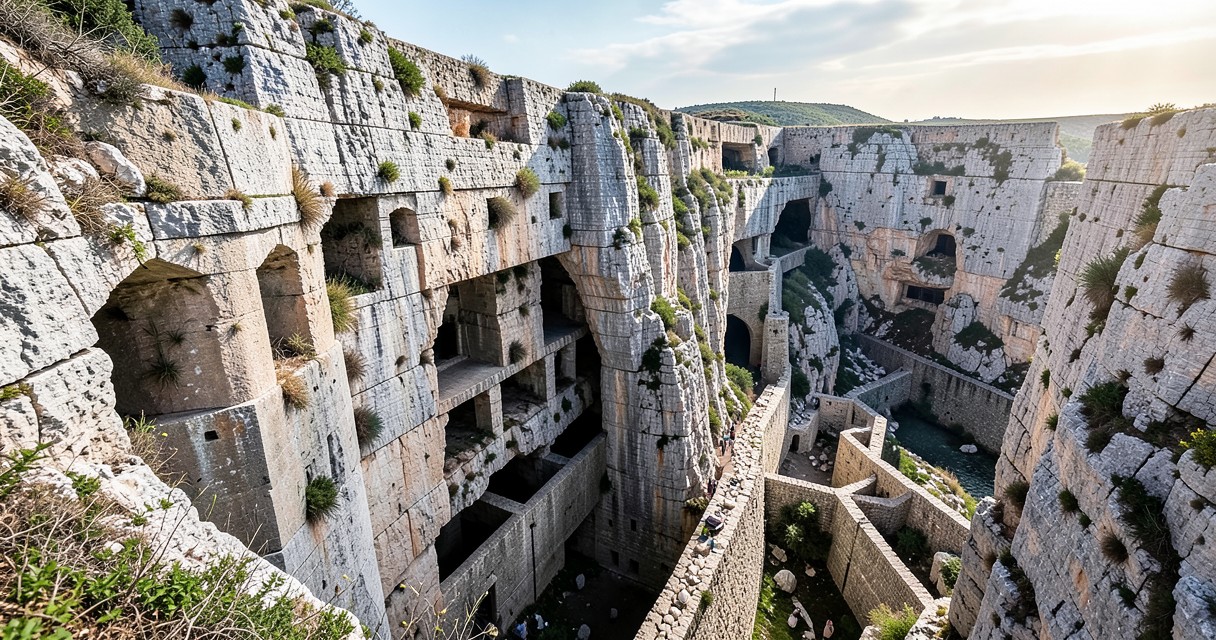
Gibraltar’s limestone cliffs have hidden a network of tunnels that grew from modest 18th century passages into a sprawling underground fortress during the Second World War. The rock’s natural strength and the peninsula’s position at the mouth of the Mediterranean made it a prized naval base for the British Empire, and the war forced engineers to transform the landscape into a defensive labyrinth. Understanding how those tunnels were conceived, built, and later preserved offers a window into the strategic thinking of the era and the human effort required to carve safety beneath a rock that has watched centuries of conflict.
Why Gibraltar Became a Critical Wartime Stronghold
The narrow Strait of Gibraltar controls the only gateway between the Atlantic Ocean and the Mediterranean Sea, a fact that has made the rock a coveted point of control for centuries. By the late 1930s the British Admiralty recognized that any disruption of shipping could cripple supply lines to North Africa and the Middle East, so they prioritized fortifying the peninsula against air and sea attack. Gibraltar’s elevation allowed artillery to dominate the surrounding waters, while its deep harbour could shelter a fleet even if surface ports were bombed. This strategic calculus prompted the decision to expand underground facilities, ensuring that command centres, ammunition stores, and medical stations could survive the heaviest bombardment.
In addition to its naval role, Gibraltar served as a communications hub, relaying encrypted messages between Britain and its forces in the African theater. The presence of a reliable radio link meant that any loss of above‑ground infrastructure would jeopardize coordination across the entire Mediterranean front. Consequently, the British government authorized an unprecedented surge in tunnel construction, intending to create a self‑contained stronghold capable of operating independently for months if cut off from the outside world.
Early Excavations and the Foundations Laid Before 1939
The first tunnels in Gibraltar date back to the Great Siege of 1779‑1783, when British engineers began carving chambers to house cannons and protect troops from enemy fire. Those early works, such as the Upper Galleries and the famous “Great Siege Tunnels,” demonstrated how the rock could be shaped with relatively simple hand tools and gunpowder blasting. Over the next century, additional passages were added to support a growing garrison, but most remained modest in scale and purpose. By the 1930s the existing network already linked several key points on the Rock, providing a useful template for later expansion.
When the threat of war intensified in the late 1930s, the Crown commissioned a survey of the existing underground system to assess its capacity for wartime needs. Engineers identified weak spots, mapped potential routes for new tunnels, and calculated the volume of rock that could be removed without compromising structural integrity. This preparatory work laid the groundwork for a massive mobilization of labor once hostilities began, ensuring that the new construction would integrate seamlessly with the historic passages while avoiding costly collapses.
The Explosive Growth of Tunnel Building After the Outbreak of War
Following Britain’s declaration of war in September 1939, the Gibraltar garrison received orders to double the size of its underground facilities within a single year. By early 1940, more than 30,000 cubic metres of limestone had been blasted, creating a labyrinth of corridors that stretched for over 30 kilometres beneath the Rock. The effort was coordinated by the Royal Engineers, who oversaw a mixed workforce of soldiers, civilian contractors, and local labourers recruited from the surrounding town. Work schedules ran around the clock, with shifts rotating to maintain continuous progress despite the constant threat of air raids.
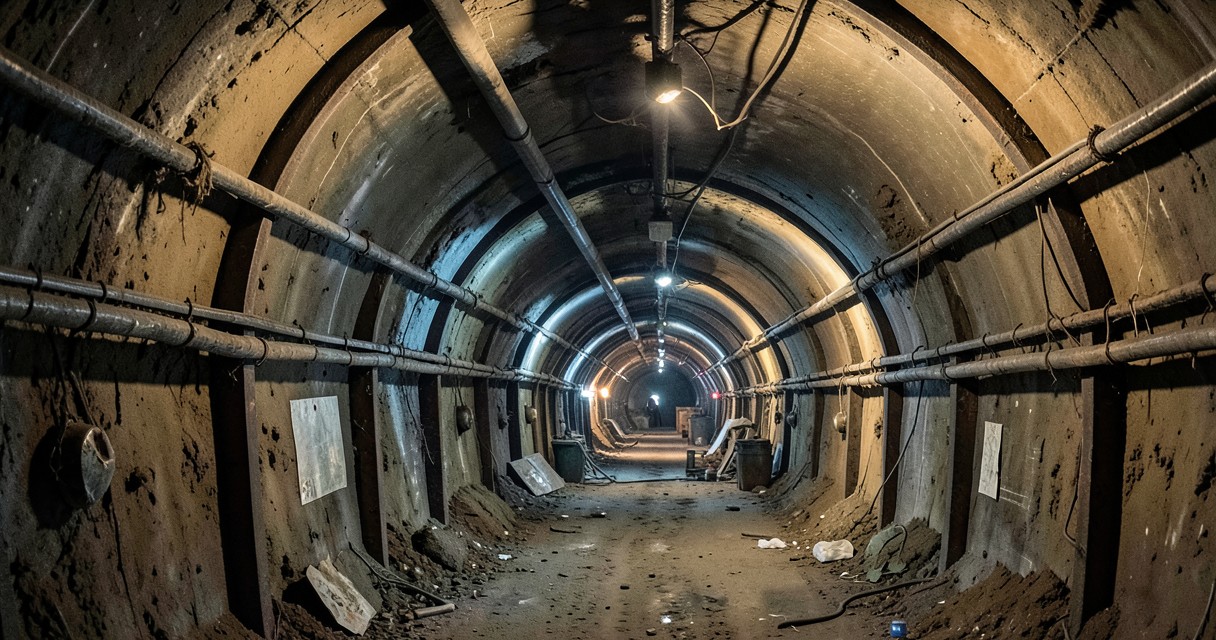
One of the most ambitious projects was the construction of the “North Front” complex, a series of tunnels that linked the northern artillery batteries to a deep‑lying command centre. This network included an underground hospital, a power station, and storage rooms capable of holding thousands of tons of ammunition. The sheer scale of the undertaking required the import of specialized drilling equipment from Britain, as well as the establishment of on‑site workshops where stone blocks could be shaped and reinforced with concrete and steel ribs.
Engineering Obstacles and the Techniques Used to Overcome Them
Excavating through Gibraltar’s dense limestone presented several technical challenges, chief among them the risk of water ingress from the surrounding sea. Engineers responded by installing a system of drainage channels that directed seepage into sumps equipped with manually operated pumps. These pumps, often powered by diesel generators housed in separate chambers, kept the tunnels dry enough for troops to move safely. In addition, the rock’s propensity to fracture under stress forced the use of steel arches and concrete lining in sections where the ceiling was particularly thin.
Ventilation posed another critical problem, as the underground environment could quickly become suffocating during extended operations. To address this, the Royal Engineers built a network of air shafts that rose to the surface at strategic points, allowing fresh air to circulate while also serving as emergency exits. Some shafts were camouflaged with stone and vegetation to avoid detection by enemy aircraft. The combination of drainage, reinforcement, and ventilation systems transformed a simple series of caves into a fully functional subterranean city capable of supporting thousands of personnel.
Key Tunnels and Their Specific Wartime Functions
The “Great Siege Tunnels,” originally created in the 18th century, were repurposed during the war to house ammunition depots and to provide protected access to the upper batteries. Their proximity to the cliff face allowed shells to be moved directly onto the guns without exposing crews to enemy fire. Meanwhile, the newly built “East Side” tunnels contained an underground hospital equipped with operating theatres, recovery wards, and a pharmacy, all supplied by a dedicated water purification plant hidden deep within the rock.
Another critical installation was the “Middle Galleries,” which linked the central command bunker to a secret communications hub. This hub housed a high‑frequency radio transmitter that could broadcast encrypted messages across the Atlantic, ensuring that Gibraltar remained a vital link in the Allied intelligence network. Adjacent to the communications rooms were storage chambers for spare parts and spare generators, allowing the facility to operate autonomously for weeks if surface power was disrupted.
Life Inside the Rock: Daily Routines of Soldiers and Workers
Living conditions within the tunnels were austere but surprisingly organized. Soldiers assigned to underground duty received ration packs delivered through narrow service tunnels, and fresh water was pumped from reservoirs located in the higher reaches of the Rock. Sleeping quarters were arranged in rows of bunk beds, each separated by concrete partitions that offered a modicum of privacy. Despite the cramped environment, morale remained relatively high, thanks in part to regular entertainment broadcasts that streamed through the communications network into communal areas.
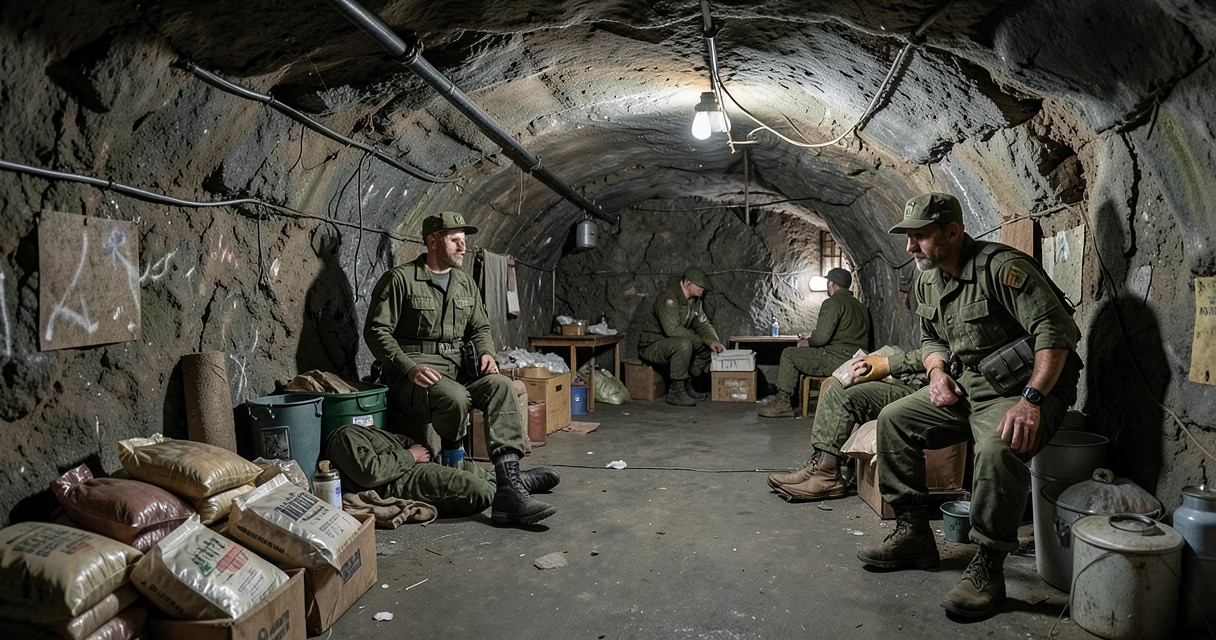
For the civilian workforce, the workday was physically demanding and fraught with danger. Blasting operations required precise timing to avoid accidental collapses, and the constant presence of dust and noise made protective equipment essential. Nevertheless, many local Gibraltarians took pride in contributing to the war effort, viewing the tunnels as a collective shield that protected their families. Stories of camaraderie and shared hardship have been passed down through generations, and they form an integral part of Gibraltar’s cultural memory.
Preservation, Tourism, and Educational Use of the WWII Tunnels Today
After the war, most of the tunnel network was sealed off, but a growing interest in heritage tourism prompted the Gibraltar government to restore several sections for public access. The “Great Siege Tunnels” were among the first to be opened, offering guided tours that explain both their 18th century origins and their wartime adaptations. More recent projects have focused on the “North Front” complex, where interactive exhibits demonstrate how ventilation and drainage systems worked under combat conditions.
Educational programs now incorporate the tunnels into school curricula, allowing students to explore the engineering feats and strategic decisions that shaped Gibraltar’s role in the global conflict. Partnerships with local museums provide hands‑on workshops where participants can examine original tools, maps, and photographs from the construction era. By preserving these underground passages, Gibraltar not only safeguards a remarkable engineering achievement but also offers a tangible link to the stories of those who built and inhabited them during one of history’s most turbulent periods.

I have always been captivated by the unique cultural tapestry of the Rock, particularly how Moorish, Spanish, and British influences shaped its development over centuries. My passion lies in translating these complex historical narratives into engaging educational resources that make Gibraltar’s past accessible to everyone. I spend my free time exploring military fortifications and reading first-hand accounts of life at the Pillar of Hercules.