The Arrival and Early History of Barbary Macaques in Gibraltar
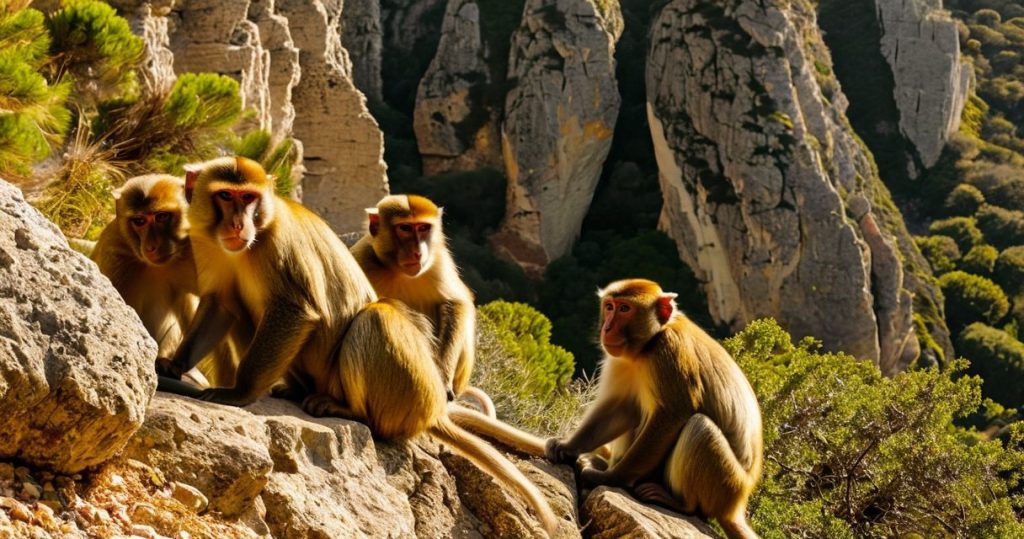
The timeline of Barbary macaques Gibraltar reveals a complex blend of migration theories and documented military oversight. Historians trace the macaque origins to possible crossings from North Africa during Moorish rule, though British military records from the early 1700s indicate deliberate introductions to the Rock of Gibraltar apes as a symbol of strength.
By the mid-18th century, Gibraltar primate history shows the first verified sightings noted in garrison logs around 1740. Soldiers recorded small troops thriving near the southern cliffs, with officers maintaining feeding stations to ensure the population remained stable amid sieges and harsh conditions.
Migration theories further suggest that Barbary macaques Gibraltar arrived via Phoenician or Roman vessels, yet primary evidence favors 18th-century British interventions. Early accounts describe the Rock of Gibraltar apes as both mascots and curiosities, with census data kept by the army to monitor numbers during conflicts with Spain.
Into the 19th century, additional military records detail population fluctuations due to disease and poaching, prompting stricter protections. These efforts solidified the enduring presence of Barbary macaques Gibraltar, linking their survival directly to the strategic interests embedded in Gibraltar primate history and the symbolic importance of the Rock of Gibraltar apes.
Documented sightings continued to increase through the late 1700s, with naturalists noting family groups near military outposts. Such observations helped refine understanding of macaque origins while confirming the species had become a permanent fixture of the territory under British administration.
Famous Legends and Myths About Gibraltar’s Macaques
The legends and myths about Gibraltar’s macaques have fascinated people for centuries, forming an integral part of the region’s cultural identity. Central to these tales is the prophecy that ties the fate of British sovereignty to the Barbary macaques inhabiting the Rock. According to this longstanding belief, should the macaques ever leave Gibraltar, British rule would come to an end. This Gibraltar macaque legend has prompted interventions, such as importing more animals from North Africa during times when the population declined, ensuring their numbers remained stable through political and military history.
Barbary apes myths often trace the origins of these primates back to the Moorish invasions, suggesting they were brought as companions or symbols of power by ancient conquerors crossing the Strait. Other stories in local folklore depict them as wise beings capable of foretelling events or protecting the natural fortress from invaders. These narratives add an air of mystery to the daily sightings of the macaques roaming freely across the upper Rock, blending observation with imaginative storytelling passed down through generations.
In Rock of Gibraltar folklore, the animals are sometimes linked to ancient Phoenician or Roman times, with tales of them guarding sacred sites or emerging from the depths of St. Michael’s Cave as mystical protectors. Such myths have been embellished over time, blending historical facts with imaginative elements that continue to intrigue historians, storytellers, and tourists exploring the peninsula’s unique heritage and dramatic landscapes.
Macaque superstitions include avoiding any harm to the creatures, as doing so is thought to bring misfortune or disrupt the delicate balance of the territory. Cultural beliefs emphasize respect for these animals, viewing them as integral to the ecosystem and the enduring luck of Gibraltar. Through these stories, the Barbary macaques remain not just wildlife but powerful symbols of tradition, resilience, and the intertwined history of myth and reality on the Rock.
Military Connections and Historical Events Involving Macaques
The enduring bond between Gibraltar military macaques and the British forces dates back centuries, shaping both the daily life of the garrison and the strategic identity of the Rock. From the earliest days of British control, commanders recognized the value of protecting the resident Barbary macaques, issuing formal orders that shielded the animals from harm and ensured their numbers remained stable. These directives reflected a deeper conviction that the primates served as living symbols of continuity and resilience amid repeated sieges and shifting alliances.
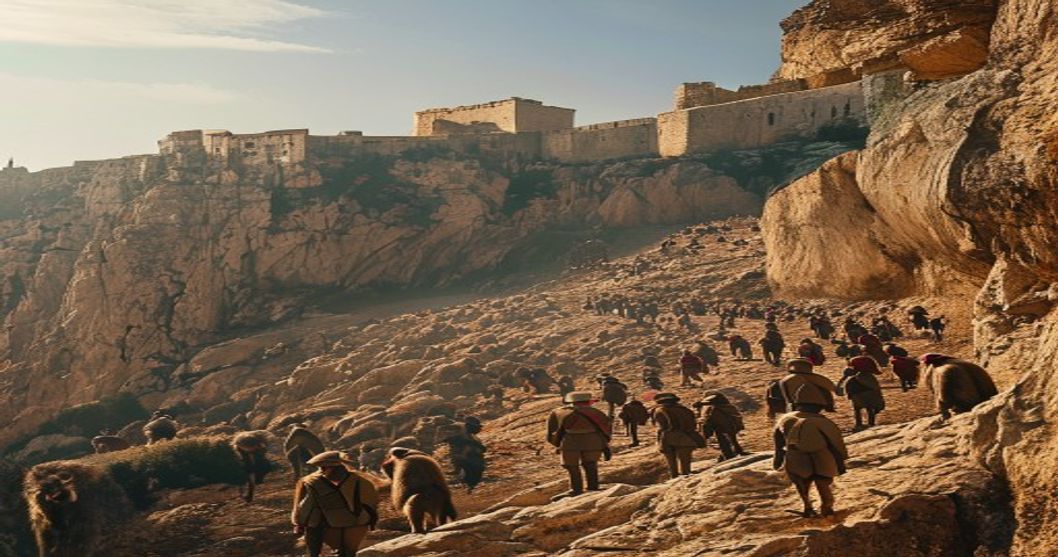
Throughout the eighteenth and nineteenth centuries, successive governors reinforced these protections, embedding the care of the macaques within military routine. Soldiers were assigned to monitor troop movements and provide supplementary food during lean seasons, turning routine patrols into opportunities to safeguard the colony. Such practices elevated the animals from mere wildlife to cherished mascots whose welfare was considered integral to morale and operational readiness.
The most dramatic chapter unfolded during the Second World War, when Rock apes WWII became central to a high-level intervention. With numbers dwindling under wartime pressures, Prime Minister Winston Churchill personally ordered reinforcements from North Africa, underscoring how Barbary apes British army relations extended to the highest echelons of command. The arrival of new macaques was celebrated as both a practical boost to the colony and a powerful omen that British sovereignty would endure.
Beyond immediate survival, these historical primate events reinforced the macaques’ symbolic role in Gibraltar’s defense narrative. Regimental lore held that the continued presence of the animals guaranteed the Rock would remain under British control, a belief that influenced everything from recruitment posters to ceremonial traditions. Even today, the story of the Gibraltar military macaques continues to illustrate how a small primate population became woven into the strategic and cultural fabric of one of the world’s most contested territories.
Conservation Efforts and Population Changes Over Time
The macaque population history of Gibraltar’s Barbary macaques reveals repeated cycles of growth and sharp decline. Early records show troops thriving on the Rock’s cliffs, yet numbers fell dramatically through the 19th century due to hunting, habitat disturbance, and food shortages. By the early 1900s the population hovered near extinction, prompting the first systematic surveys that documented fewer than two dozen individuals remaining.
Conservation programs started in the 20th century reversed this trajectory. British military authorities and local naturalists introduced regulated feeding stations, banned the capture of infants, and established veterinary monitoring. These measures, later expanded by the Gibraltar government, formed the core of modern Barbary macaque conservation and raised the population to several hundred by the 1980s.
Current Gibraltar primate protection strategies emphasize coexistence. Rangers patrol feeding zones, install barriers to reduce road accidents, and educate residents about maintaining safe distances. International partnerships supply genetic testing and disease surveillance, ensuring the long-term viability of the only wild primate population in Europe.
Habitat management continues to protect the macaques’ unique limestone environment. Native vegetation is restored, water sources are maintained, and research permits strict limits on tourism impact. These actions safeguard the endangered apes Gibraltar while supporting ongoing studies of their social structure and adaptability.
Today the combined legacy of 20th-century initiatives and present-day Barbary macaque conservation sustains roughly 300 individuals across multiple troops. Continued vigilance, public engagement, and scientific oversight remain essential to preserving this iconic population within its singular habitat.
Cultural Impact and Tourism Legends of Gibraltar Macaques
The Barbary macaques have become an iconic symbol of Gibraltar, drawing thousands of visitors each year through vibrant Gibraltar macaque tourism. These primates roam freely across the Upper Rock, offering unforgettable encounters that blend wildlife viewing with historical storytelling. Their presence has shaped local traditions, festivals, and even everyday expressions, underscoring the deep cultural significance apes hold for residents and shaping everything from art to community identity.
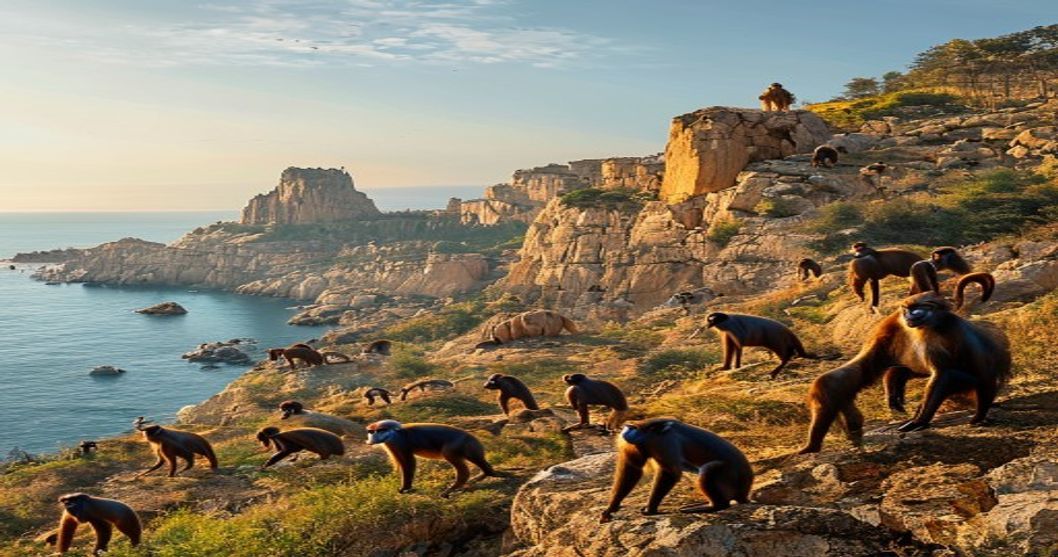
Popular Barbary macaques legends continue to captivate Rock of Gibraltar visitors, with the most famous tale warning that British control of the territory will end if the macaques ever leave. Guides share this story alongside accounts of the animals arriving with Moorish invaders or even accompanying ancient armies, adding layers of mystery that enhance every tour. These narratives transform simple sightings into memorable experiences, encouraging repeat visits and word-of-mouth promotion.
Gibraltar macaque tourism generates significant revenue while fostering respect for the animals through strict feeding rules and protected habitats. Local culture celebrates the macaques in souvenirs, school lessons, and annual events that highlight their role as guardians of the Rock. Rock of Gibraltar visitors often leave with photos, legends, and a stronger appreciation for the territory’s unique blend of nature and myth.
Stories of cheeky macaques stealing bags or keys have become part of the shared lore, passed along by tour operators to entertain and educate. This playful reputation boosts the cultural significance apes enjoy, inspiring local writers and artists to feature them in modern works. Conservation programs ensure the population remains healthy, supporting sustainable tourism that benefits both the animals and the economy.
Today, the macaques serve as living ambassadors for Gibraltar’s heritage, their legends evolving yet remaining central to every visitor experience on the Rock. From family outings to educational trips, these primates continue to define the territory’s identity while attracting global attention through Gibraltar macaque tourism.

I have always been captivated by the unique cultural tapestry of the Rock, particularly how Moorish, Spanish, and British influences shaped its development over centuries. My passion lies in translating these complex historical narratives into engaging educational resources that make Gibraltar’s past accessible to everyone. I spend my free time exploring military fortifications and reading first-hand accounts of life at the Pillar of Hercules.